Deep dives into design challenges at eBay and Yahoo!: from AI-driven seller tools to advanced analytics dashboards, each rooted in design thinking and measurable outcomes.
Reimagined eBay's listing creation experience using AI to reduce friction, boost confidence, and cut listing time, without sacrificing seller control.
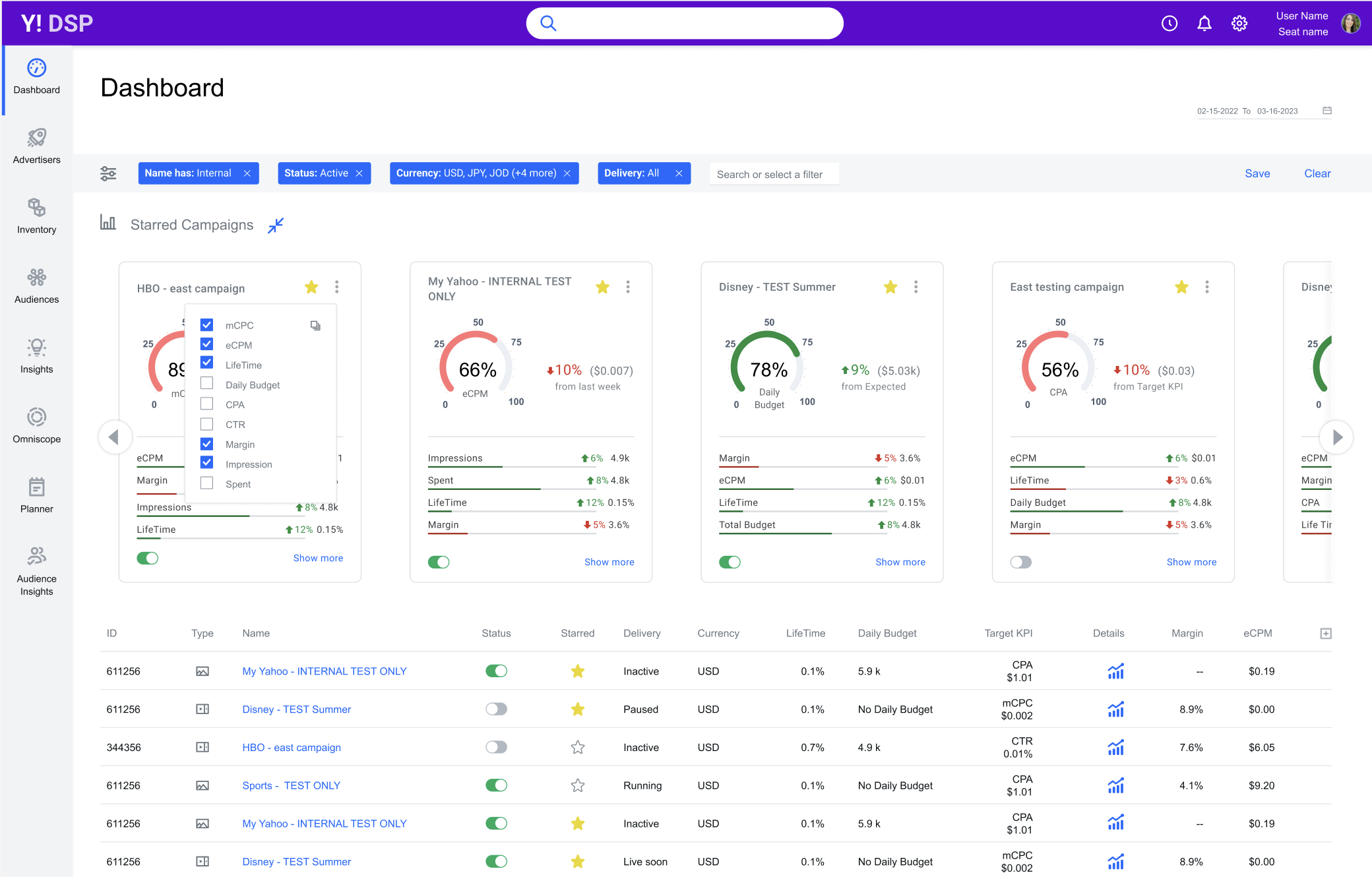
Led the design of advanced analytics dashboards with intuitive visualization, smart filtering, and performance storytelling, making complex data instantly actionable.
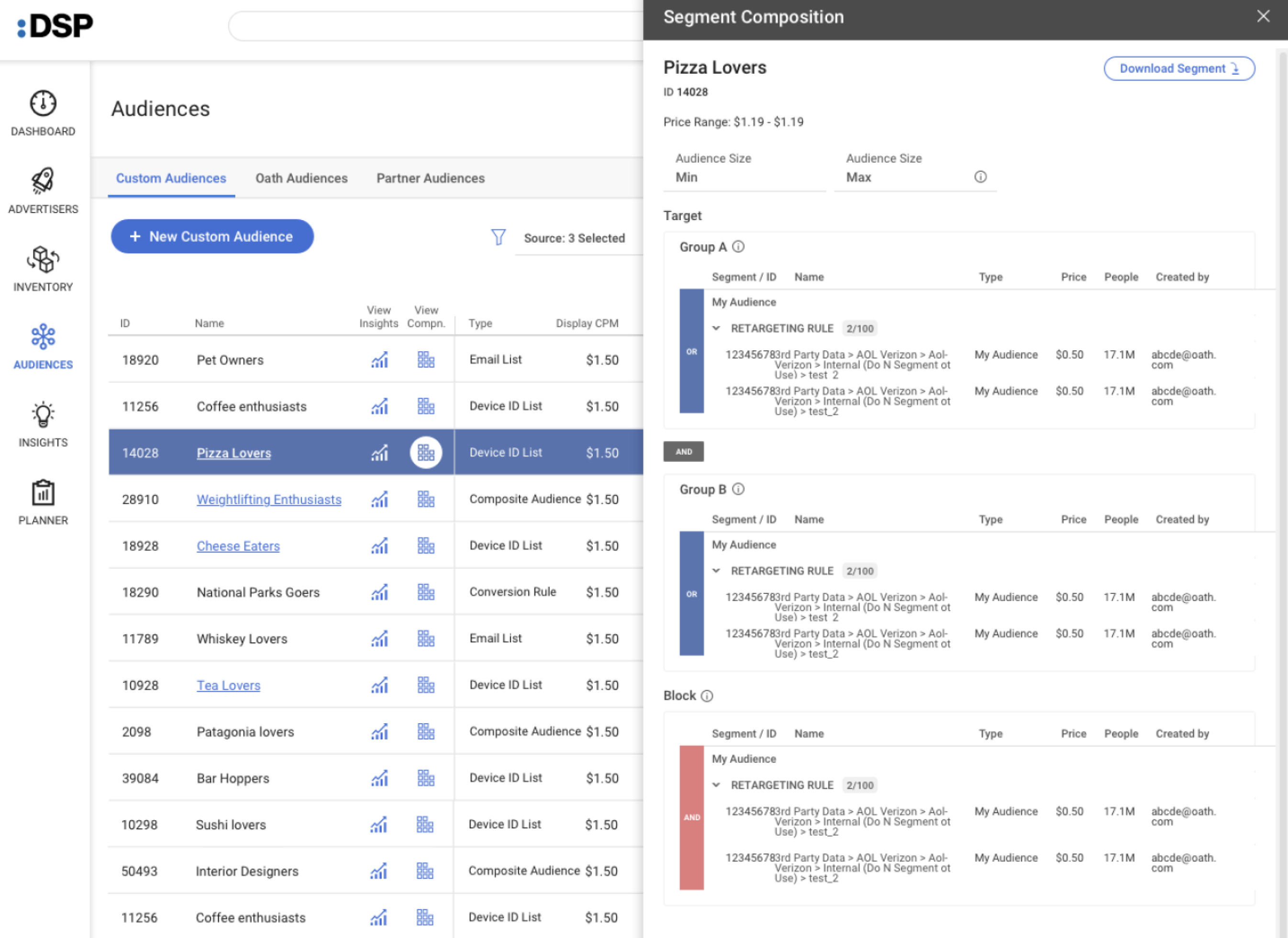
Introduced Table Filter, Inline Editable Cells, Pacing Visualization, and Right Rail, transforming how advertisers manage, analyze, and act on campaign data.
Building a data-driven Store dashboard with advanced AI automation, interactive charts, and key metrics (CLV, traffic, conversion, and buyer insights) to empower sellers and boost Store performance.
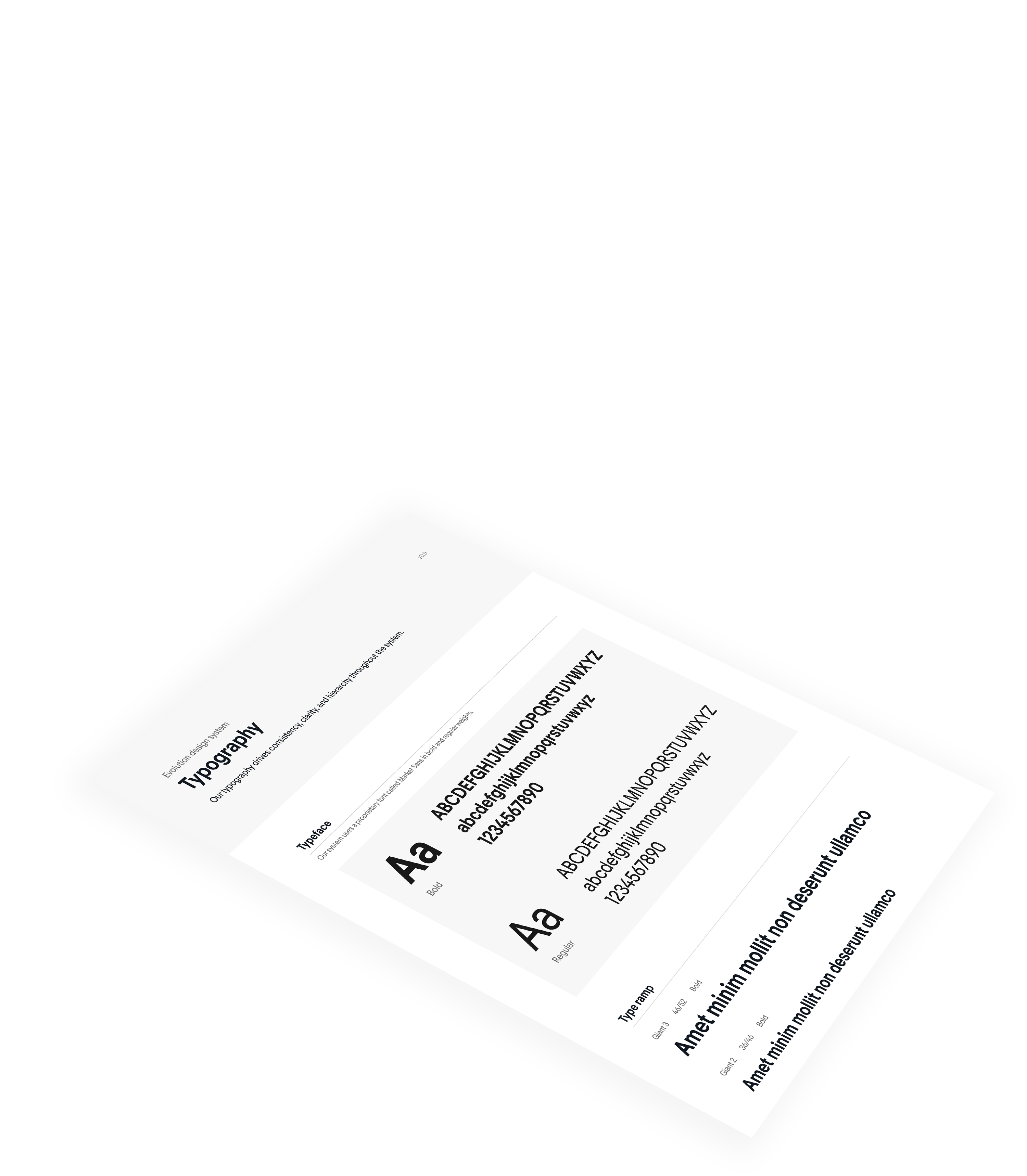
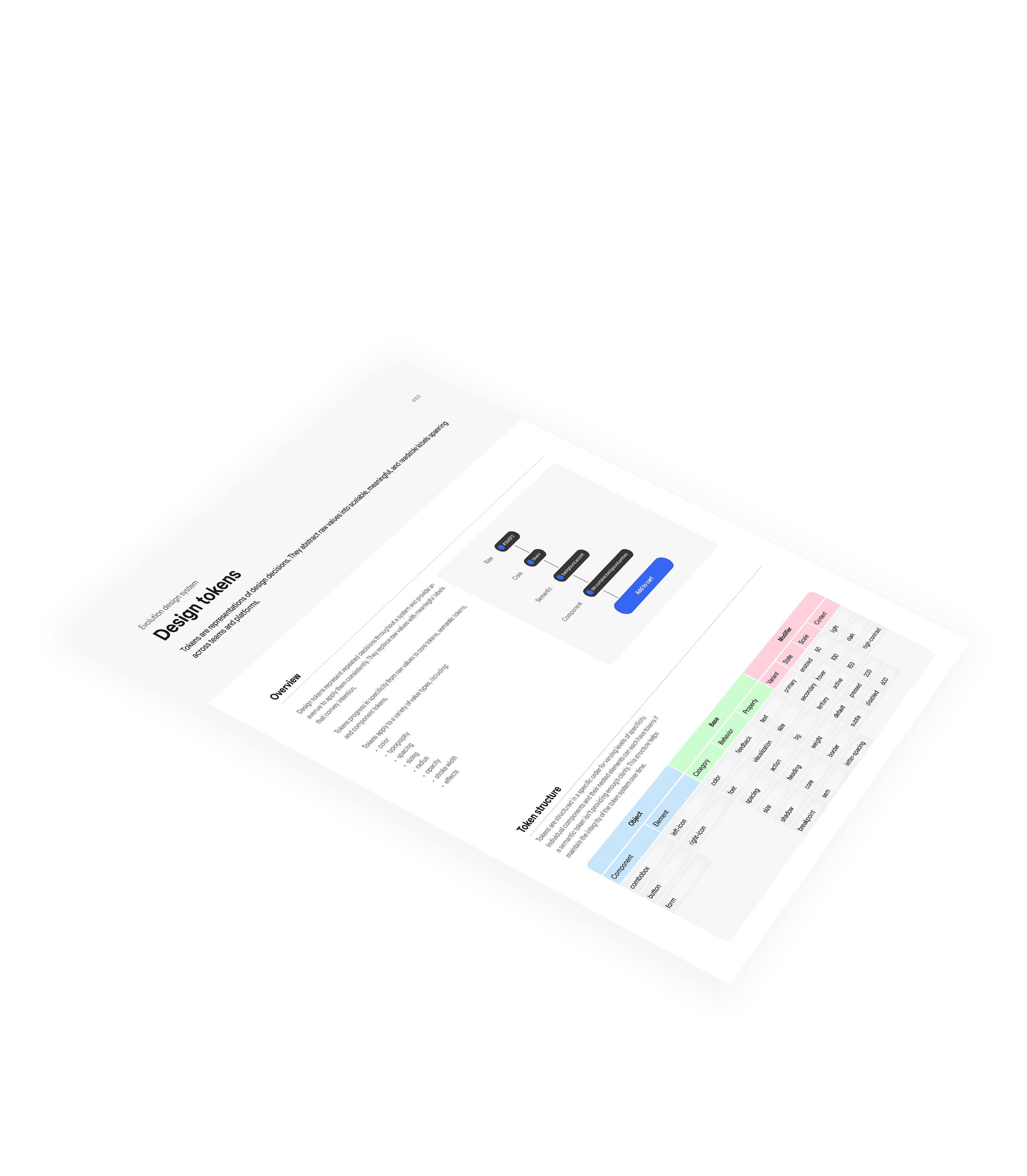
Deep expertise across design systems, research, and mobile, built over a decade leading product design at Yahoo! and eBay.
Started by crafting the style guide for Yahoo! Mail, then architected a comprehensive design system for Yahoo!'s Demand-Side Platform (DSP), and led design system implementation at eBay, scaling component reusability by 30% across 5 product teams.
Explore Design System →
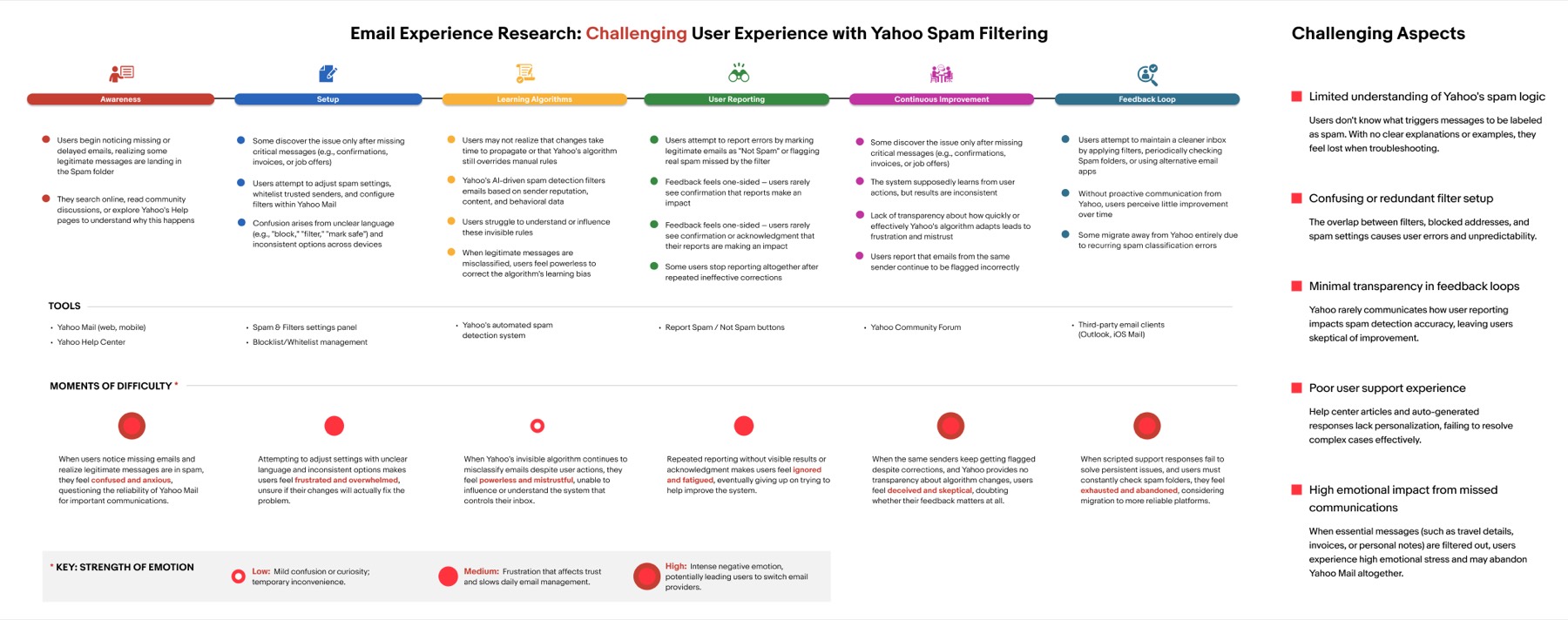
Leveraging advanced research methodologies: diary studies, contextual inquiry, usability testing, and behavioral analytics. All of it to uncover real user needs, validate design decisions, and guide product strategy across Yahoo! and eBay. Research isn't a phase; it's woven into every design decision.
Explore Research →

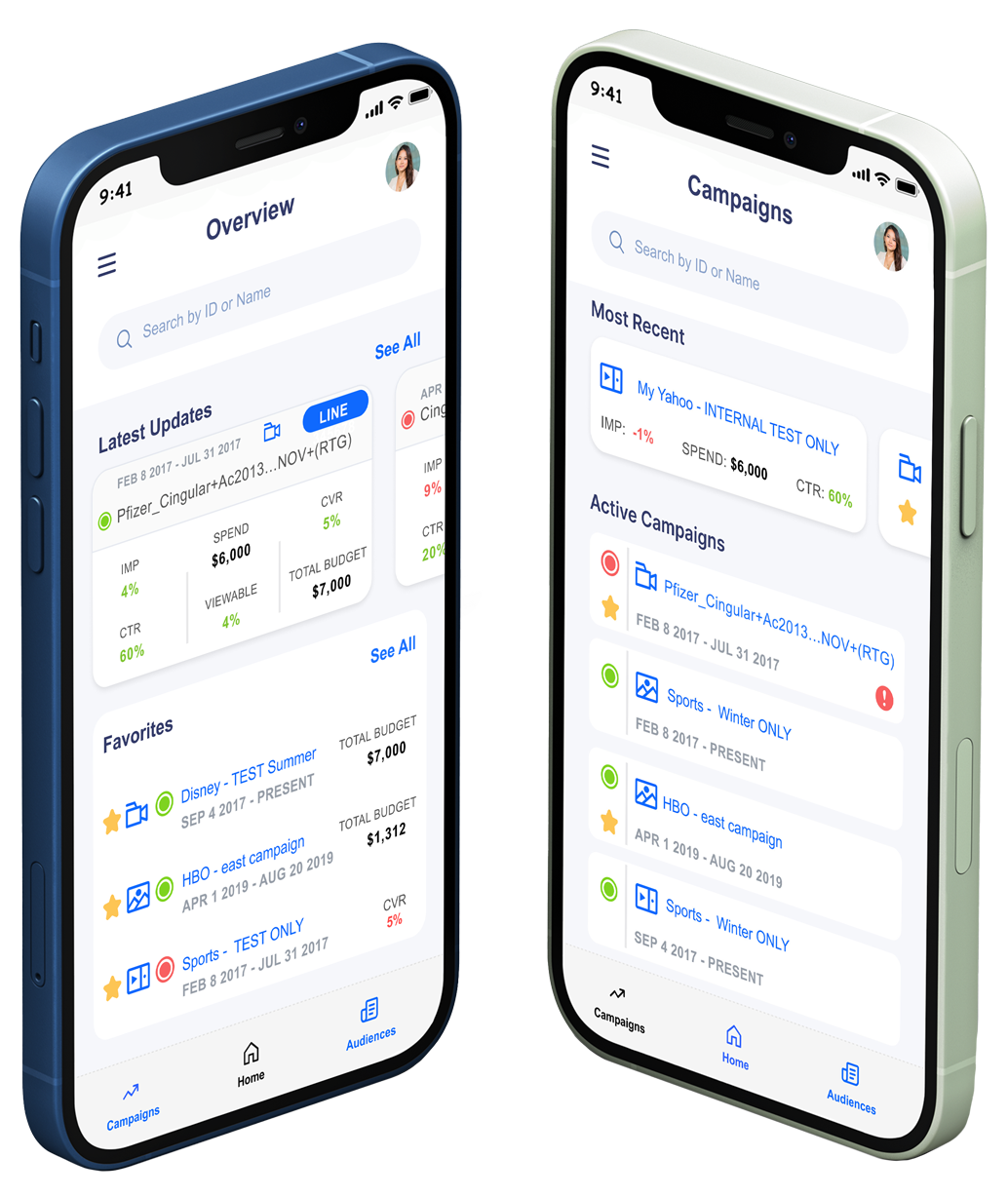
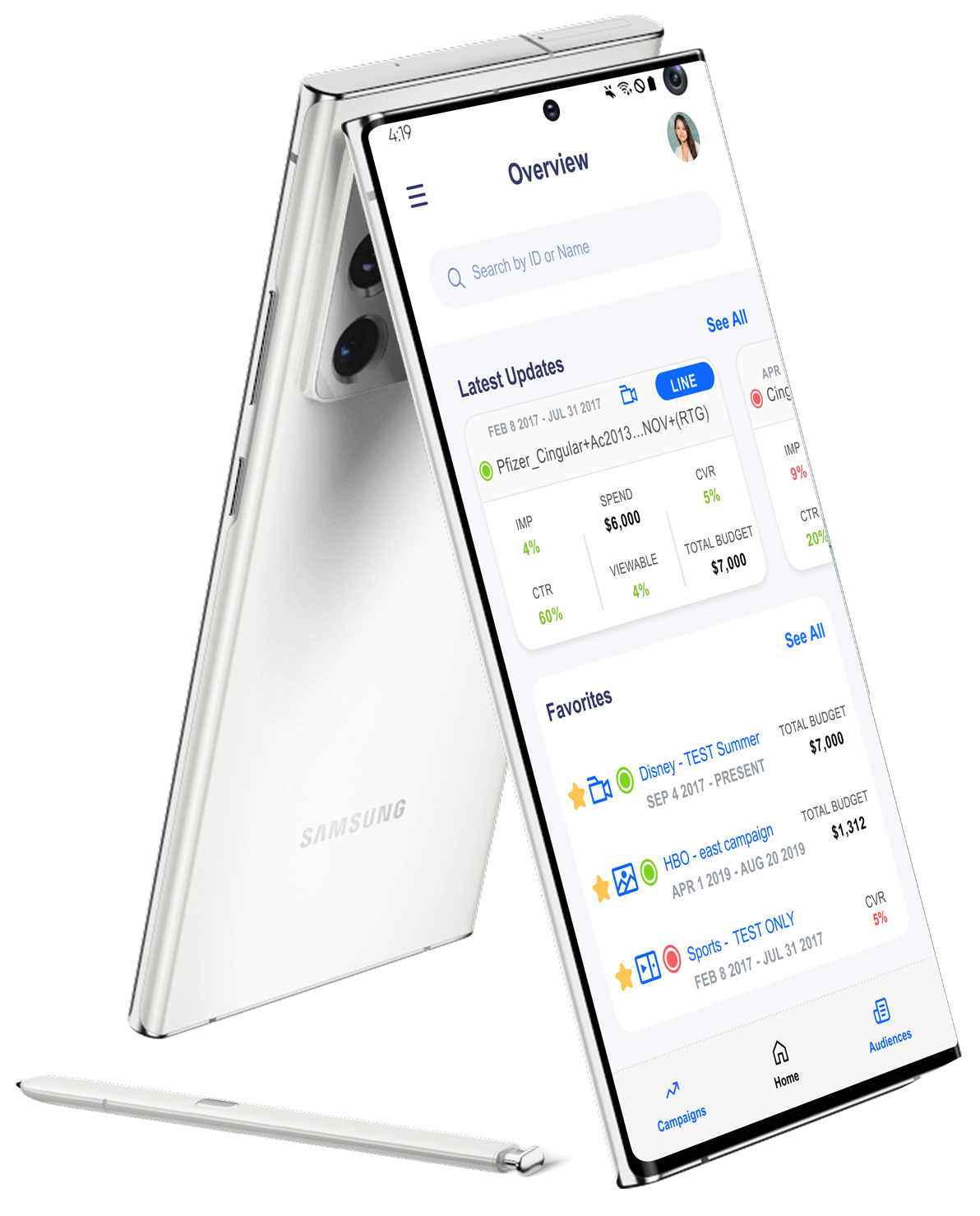
Led the design of Yahoo!'s DSP advertising app for both Android and iOS, translating complex campaign management workflows into intuitive, high-performing mobile experiences. This increased advertiser engagement by 27% and renewal rates by 15%.
Explore Mobile Design →A curated collection of earlier projects demonstrating core UX principles: user-centered design, information architecture, accessibility, and interaction design, across both Yahoo!’s and eBay’s product ecosystems.
Twelve years in product design has taught me that the principles matter more than the tools.
The most impactful design decisions I've made were subtractive. I start every brief by asking what the user has to do that they shouldn't. The Yahoo Ads Tables redesign removed 6 data columns before adding a single new one. The metrics proved the edit.
Especially in AI products. Users don't need a perfect output - they need to understand and control it. I've rejected technically-superior features because they removed user agency. Confidence builds retention. Control builds confidence.
Not as a formality - as a discipline. When I run 14 user interviews and find that high time-on-screen is friction, not engagement, that insight reframes the entire project. I don't design from assumptions. I design from what I observe, then I measure whether I was right.
I've delayed launches, cut well-built features, and pushed back on product scope - when the evidence supported it. Leadership isn't consensus. It's making a specific call, documenting why, and standing by it through the numbers. Then updating when the numbers say you were wrong.
Velocity matters. But shipping something that damages trust costs more than the delay you avoided. The bar isn't perfection - it's confidence that the user's experience of the edge cases won't undo everything the core experience built. I hold that bar and protect it.
"Design thinking isn't a phase you complete. It's a practice you sustain. Every user conversation, every failed prototype, every metric after launch is part of the same continuous loop."
I'm a Product Design Lead with 12+ years of experience, currently open to senior IC and lead roles in product, AI, or platform design. I bring research depth, AI design expertise, and a track record of shipping features that move metrics.