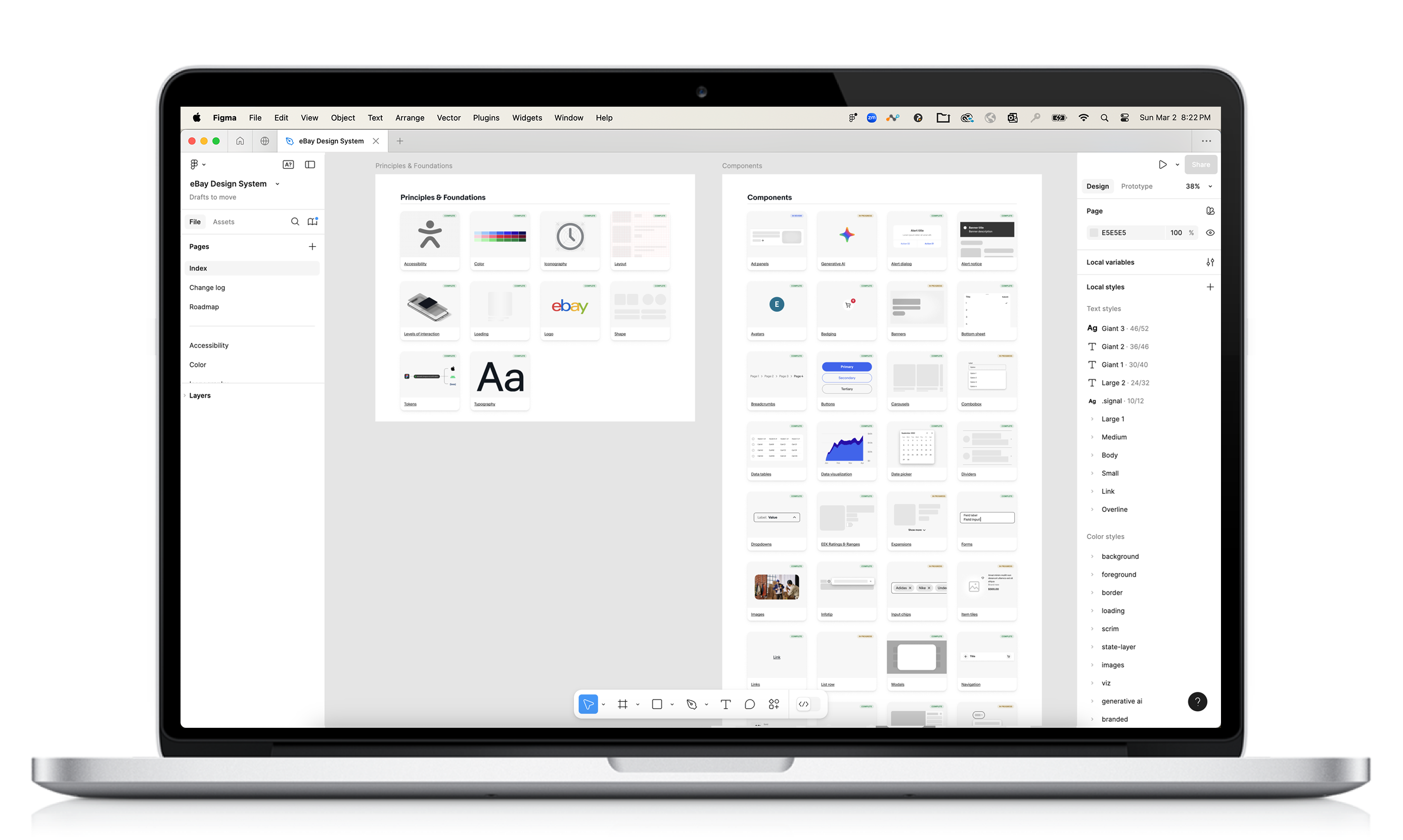

Building at Global Scale eBay
Objective: Implement a robust design system for eBay's intranet to improve consistency and streamline processes across product teams.
Tokens are the symbols of design choices, transforming raw values into scalable, significant, and easy-to-read labels used consistently across teams and platforms. Every component in the eBay system is built on this token layer, enabling theme-level changes without component-level rework.
Design Patterns

eBay design pattern library: tokens & foundations
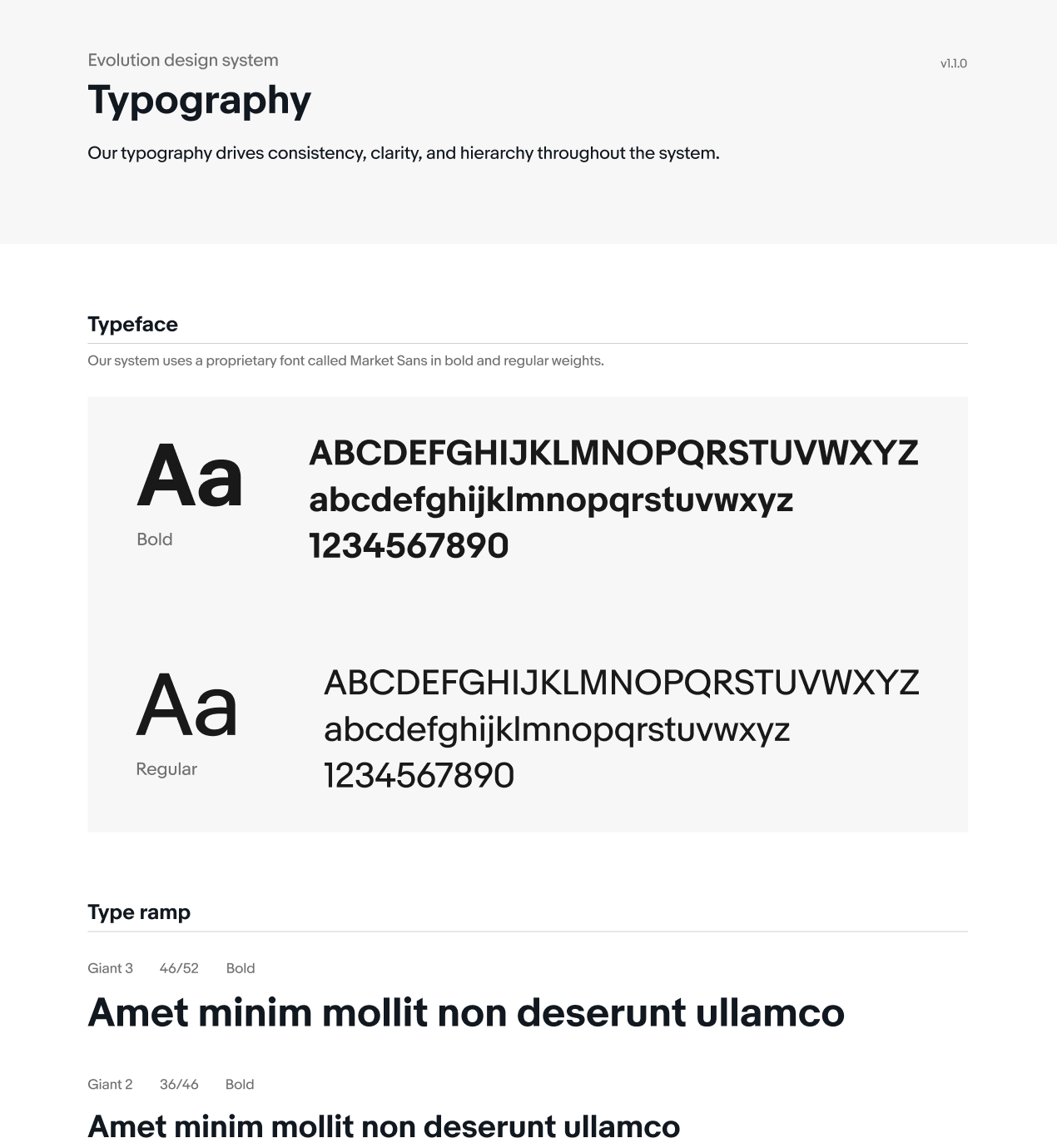
Design token structure across teams and platforms
Component Library
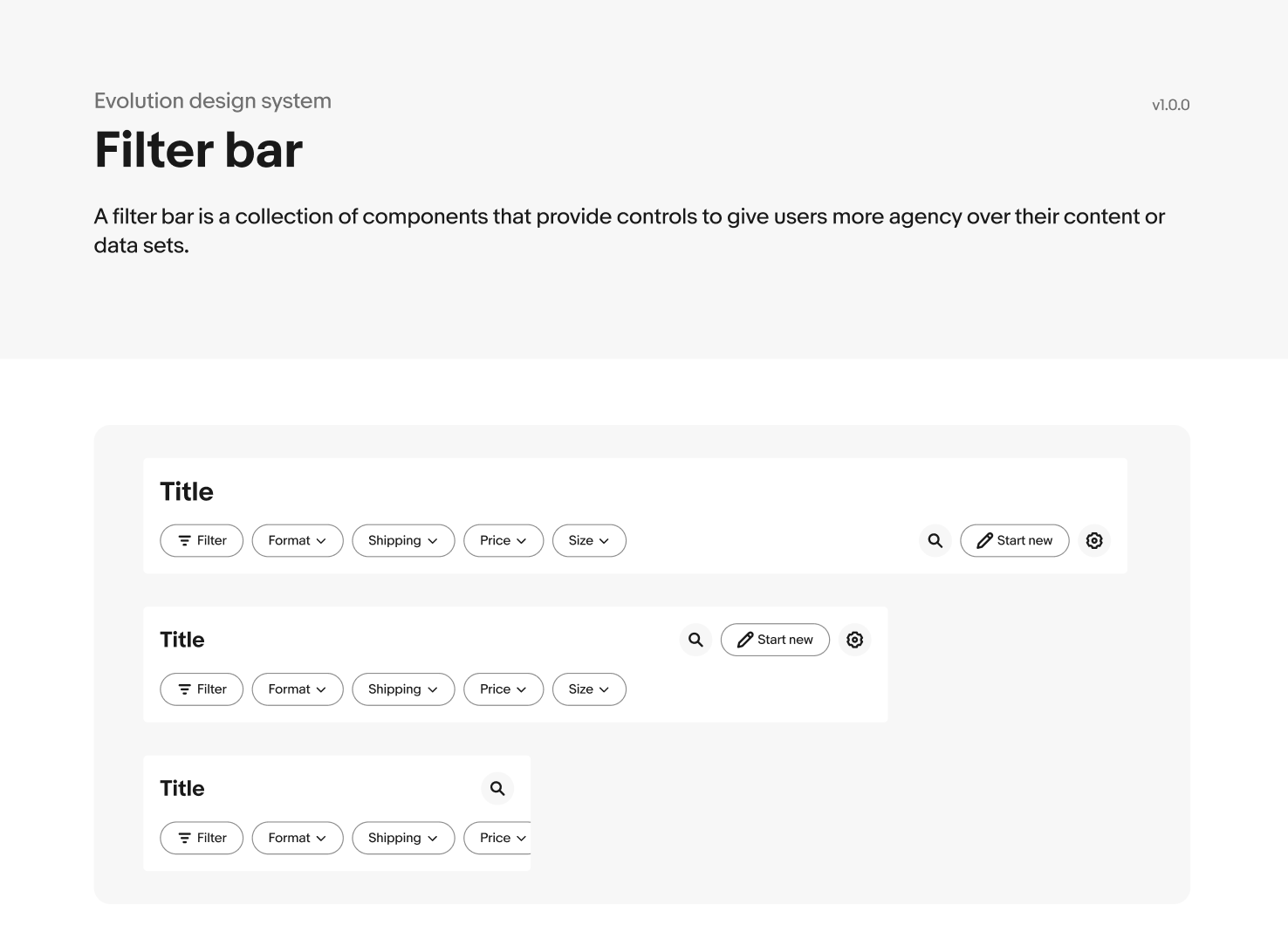
65+ modular, reusable UI components

Component documentation with all interaction states
Pain Points
- Navigation Complexity: Cross-team navigation and integration challenged consistent adoption
- Consistency Maintenance: Keeping consistency amid diverse inputs and evolving requirements
Growth Indicators
- 30% improvement in team efficiency across product teams
- 20% increase in stakeholder satisfaction scores
Future Vision
- System Expansion: growing the component library across more product surfaces
- Adaptive Updates: continuous iteration as product needs evolve
- AI Integration: embedding AI tools into design system workflows
- Enhanced Collaboration: deeper cross-team contribution and governance model
Unifying Four Products Yahoo!
Objective: Create a comprehensive design system for Yahoo!'s Demand-Side Platform, unifying four internal products under a single, scalable visual language.
Design Patterns

DSP design patterns: foundational layer
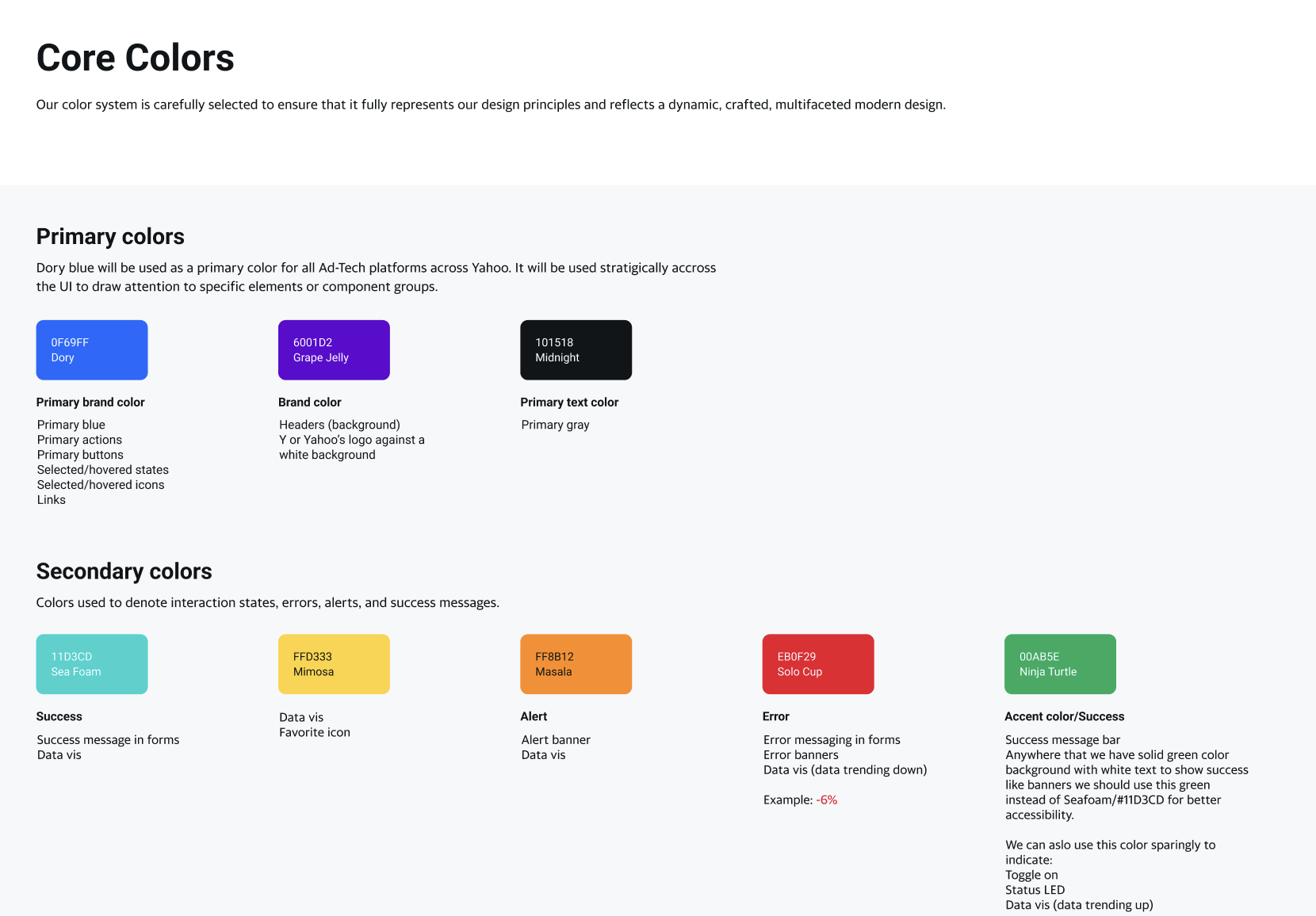
Token-based design language across DSP products
Component Library

35+ interactive, fully documented DSP components

Component states and accessibility annotations
Pain Points
- Complex User Needs: Diverse, evolving requirements across four internal product teams
- Maintaining Consistency: Keeping components aligned as each product independently evolved
Growth Indicators
- 30% reduction in development time for new features
- 22% increase in accessibility and compliance ratings
Future Vision
- Comprehensive System Expansion: growing to cover all DSP product surfaces
- Continuous Adaptation: evolving the system as product requirements change
Where It All Started Yahoo!
Objective: Standardize visual elements and improve the user experience of Yahoo!'s Mail web application. This meant establishing a foundational style guide covering color schemes, typography, layout structures, and core interactive components.

Yahoo! Mail color palette & typography system
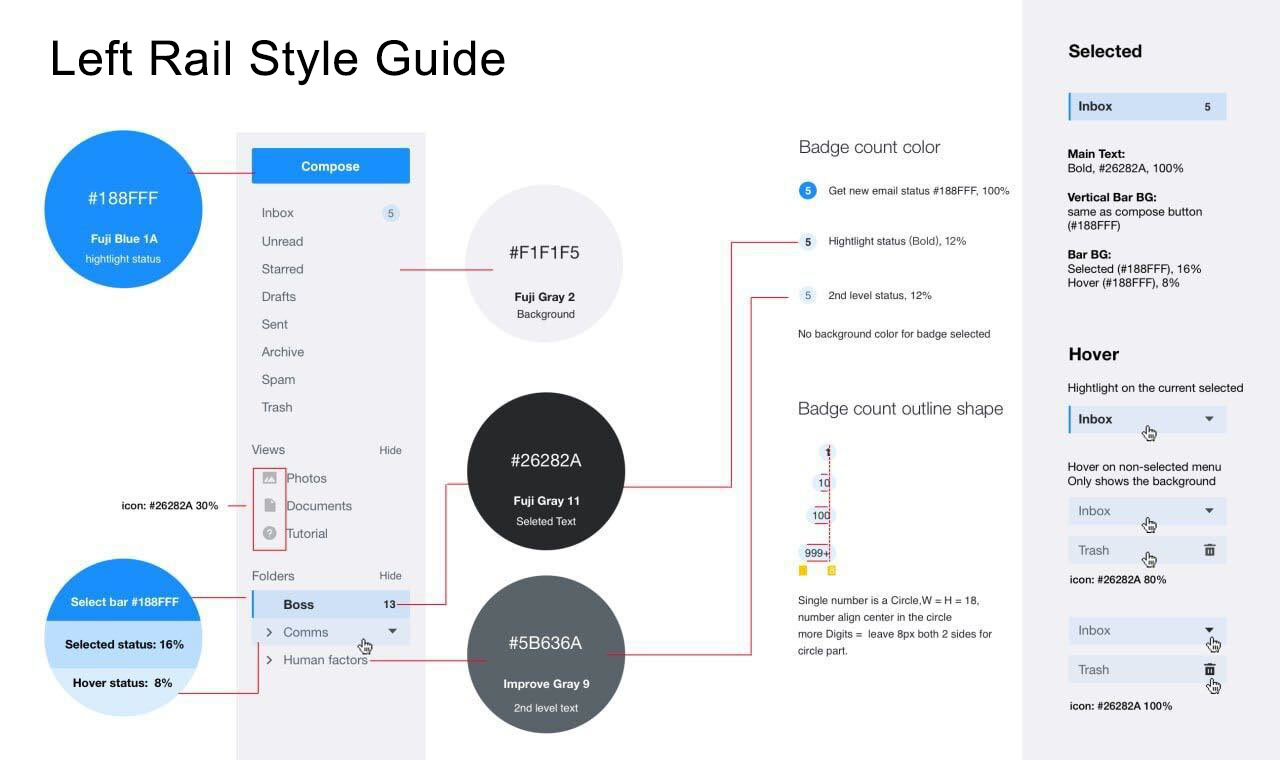
Button and input component library: all states
Pain Points
- UI Inconsistencies: Non-uniform appearance across Mail surfaces
- Scalability Issues: Struggles adding new features to an undocumented system
- Limited Guidance: Minimal documentation for complex interactions
Achievements
- Established foundational style guide: color, typography, layout
- Reduced design inconsistencies through a shared visual reference
- Initial components: buttons and input fields with all states & sizes
Future Vision
- Expansion into a comprehensive design system
- Enhanced customization and flexibility across surfaces
Similarities & Differences
What All Three Share
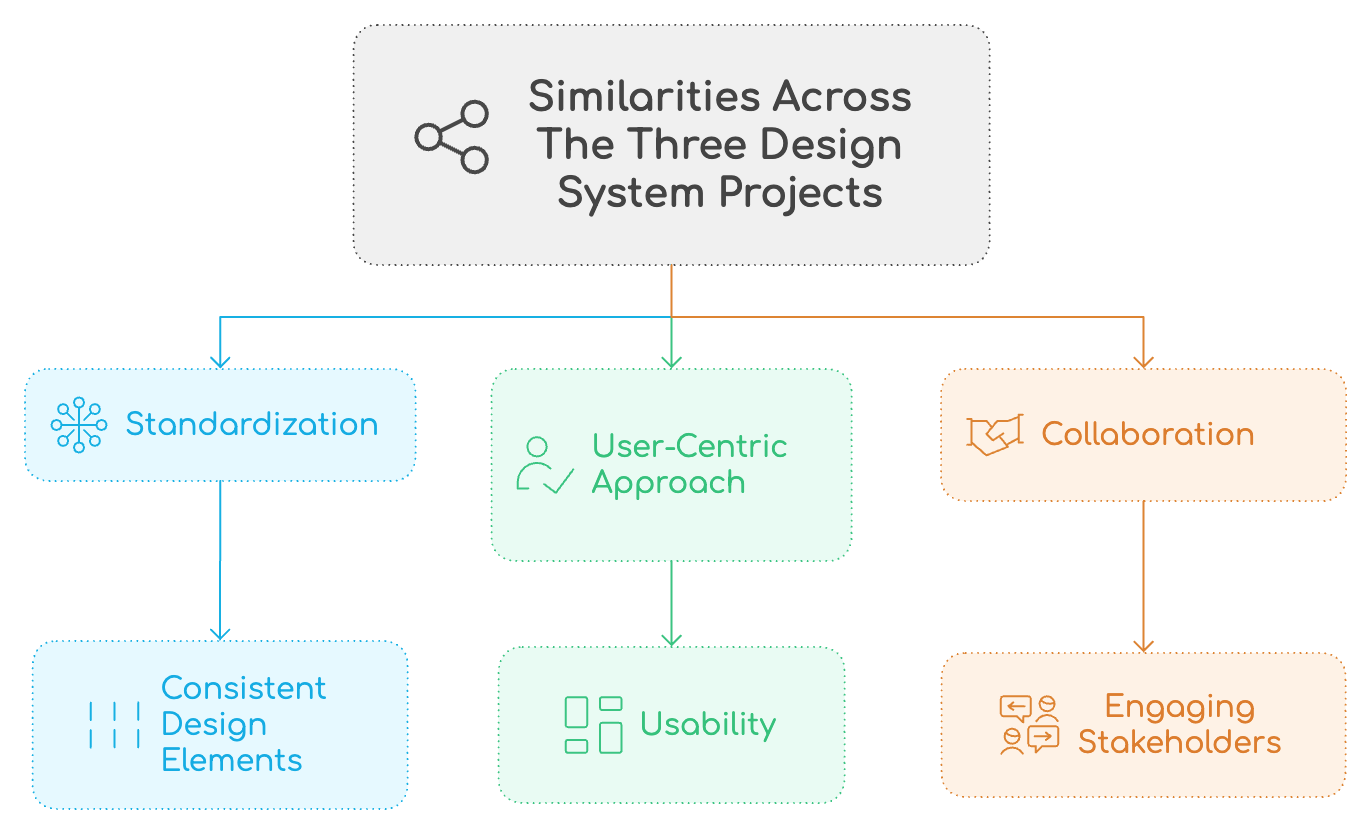
Where They Differ

From Style Guides to Global Systems
Want to go deeper? Connect on LinkedIn for access to full component documentation, contribution guidelines, and token architecture files.